
GBPJPY Copy Trade For Beginners (Geppy)

TradingCup
JUN 20 2025
Last Updated: February 25, 2026
This article is reviewed annually to reflect the latest market regulations and trends.
Disclaimer: The information in this article is for educational purposes only and does not constitute financial, investment, or trading advice. Copy trading carries substantial risks, including the potential loss of your entire invested capital. Past performance of copied traders or strategies is not a reliable indicator of future results. You may be replicating high-risk trades, overleveraged positions, or strategies incompatible with your financial goals. Always conduct independent research into a trader’s historical performance, risk metrics, and strategy before copying them. Never invest funds you cannot afford to lose. Consult a licensed financial advisor to ensure copy trading aligns with your risk tolerance, financial objectives, and regulatory requirements in your jurisdiction. This article does not endorse specific traders, platforms, or strategies, and all trading decisions remain your sole responsibility.
TL; DR:
- Feeling the market’s quest? GBPJPY‘s volatility is put to the test.
- No time to learn the trading art? Let a pro’s strategy play its part.
- With copy trading, you’re in the know, watch your starter portfolio grow.
- Ditch the stress and endless screen, a smarter, passive way to convene.
- Manage your risks, make your stand, the “Geppy” journey is close at hand.
“The four most dangerous words in investing are: ‘This time it’s different.'” – Sir John Templeton
GBPJPY Copy Trade For Beginners (Geppy): Your Ultimate 2026 Guide to Smarter Forex Investing
You’re driven. You want your money to work for you. You’ve heard the whispers of wealth built in the global markets, but your reality is a whirlwind of deadlines, daily commutes, and trying to squeeze in a moment of peace. You’ve explored investing, but the learning curve looks like a mountain. Then you stumble upon Forex, the biggest financial market in the world. The potential is thrilling, but the complexity is daunting.
Just as you’re about to give up, you find a beacon of hope: copy trading. The concept is simple and powerful: what if you could just copy the exact trades of a seasoned, successful professional? No steep learning curve, no need to be glued to a screen all day.
But is it really that easy? And where do you even start?
This guide is your answer. We’ll demystify the process, focusing on one of the most exciting currency pairs in the market: the GBPJPY. Welcome to your first step in becoming a smarter, more strategic investor, without putting your life on hold.
First, What Exactly is Forex?

Before we dive into the deep end, let’s start with the basics. Imagine you’re planning a trip from the UK to Japan. You’d need to exchange your British Pounds (GBP) for Japanese Yen (JPY). The Foreign Exchange market, or Forex (FX), is the global marketplace where these currency exchanges happen.
It’s the largest, most liquid financial market in the world, with trillions of dollars traded daily. Unlike a stock market, it doesn’t have a central location; it’s an over-the-counter (OTC) market running 24 hours a day, five days a week. For a foundational understanding, you can explore how to trade Forex. Traders speculate on the fluctuating exchange rates between currencies to potentially earn a profit.
So, What is GBPJPY and Why is it Nicknamed the “Beast”?
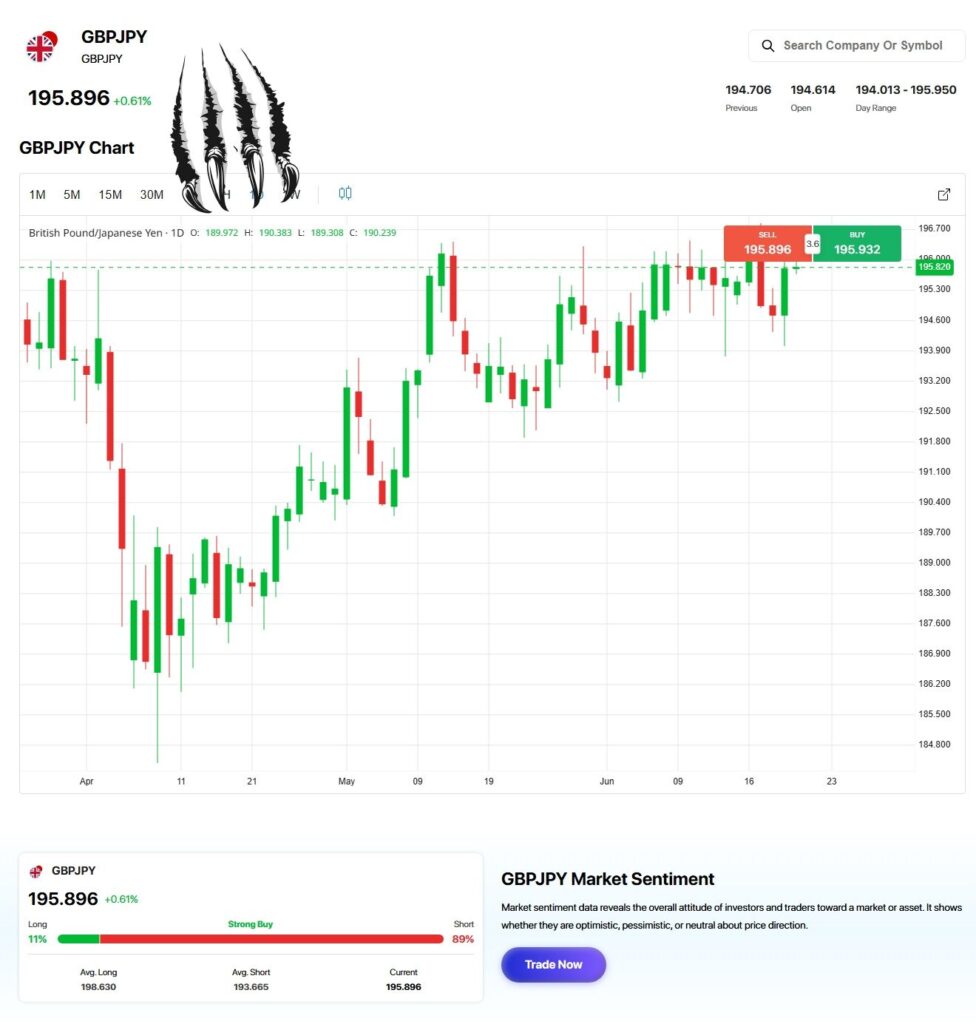
Within this massive market, currencies are traded in pairs. The GBPJPY pair, affectionately known as the “Geppy” or, more ominously, the “Beast”, represents the exchange rate between the Great British Pound and the Japanese Yen.
It earns its nickname from its legendary volatility. The price of GBPJPY can make massive swings in a single day, often moving hundreds of pips (a ‘pip’ is a tiny measure of change in a currency pair). For instance, historical data from June 2025 showed significant daily fluctuations, including a 104.8 pip increase on one day and a 118.4 pip decrease on another. This volatility is a double-edged sword: it presents immense opportunity for profit, but also carries significant risk.
How Hard is Day Trading GBPJPY Really? A Peek into a Trader’s Life

Ever wondered what it takes to day trade the “Beast” manually? It’s not for the faint of heart. Here’s a glimpse into the process, which you can explore further in this 5-step beginner’s guide to day trading:
- The Pre-Market Grind (Before London Opens): A manual trader’s day starts hours before the market’s most active session. They’re analyzing overnight news, checking economic calendars for major announcements from the UK or Japan, and charting key support and resistance levels.
- The Session Storm (London & New York Overlap): This is go-time. A trader must maintain intense focus, monitoring price action tick-by-tick. This requires constant analysis of technical indicators like Moving Averages or the Relative Strength Index (RSI) to spot potential entry points.
- The Emotional Rollercoaster: The market suddenly reverses on unexpected news. A profitable trade turns into a loss in minutes. The psychological pressure is immense. Fear, greed, and anxiety can lead to impulsive, disastrous decisions.
- Risk Management on the Fly: With every trade, they must calculate the perfect position size and set a stop-loss order to protect their capital. This requires unwavering discipline, which can crumble under stress.
- Post-Market Analysis: The day doesn’t end when the charts close. A successful trader spends hours reviewing their trades, journaling their decisions, and refining their strategy for tomorrow.
It’s a full-time job that demands immense dedication, time, and emotional resilience. For most people with busy lives, this level of commitment is simply not feasible.
Is There a Better Way to Trade GBPJPY?
To trade GBPJPY effectively, one must be aware of the powerful forces that move it. These include:
- Central Bank Policies: Decisions on interest rates by the Bank of England (BoE) and the Bank of Japan (BoJ) are paramount. A difference in these rates can drive major trends. For example, rising inflation in Japan puts pressure on the BoJ to adjust its policy, directly impacting the Yen’s value.
- Economic Indicators: Data like GDP growth, inflation figures, and employment reports from both nations give clues about their economic health and influence currency strength.
- Geopolitical Events: As a global financial hub, the UK is sensitive to European and global politics. The Yen, on the other hand, is often seen as a “safe-haven” asset. Geopolitical tensions, like conflicts in the Middle East, can cause unpredictable flows of money that impact the pair.
Keeping track of all this is a monumental task. So, if manual trading is so demanding, what’s the smarter alternative?
Why Not Just Copy Top GBPJPY Traders? The Smart Shortcut
This is where GBPJPY copy trading changes the game.
Instead of doing all the grueling work yourself, you can simply find a trader with a proven track record and automatically mirror their trades in your own account. Platforms like TradingCup provide a hub to find and copy top traders.
Consider these examples:
QuantumFX: A trader you could potentially analyze and decide to copy.
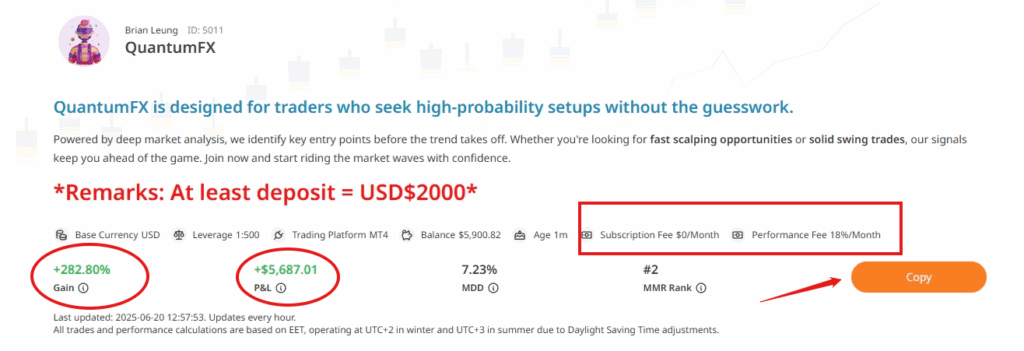
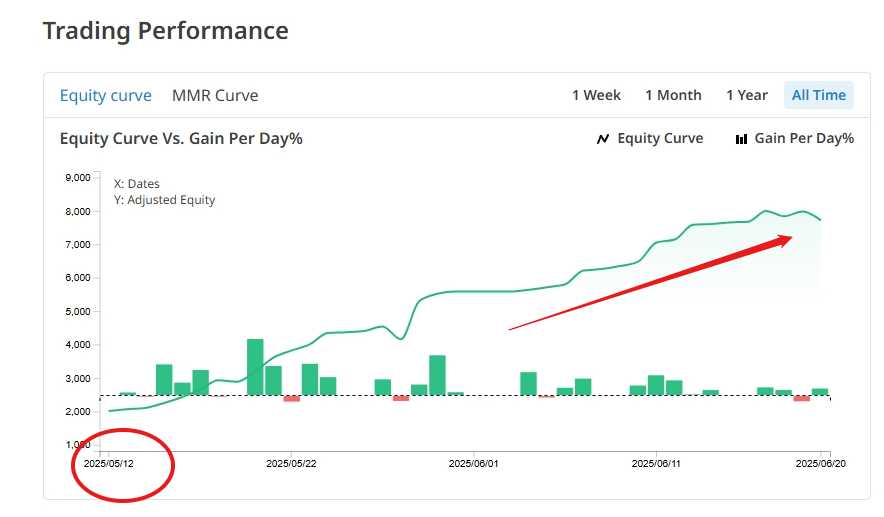
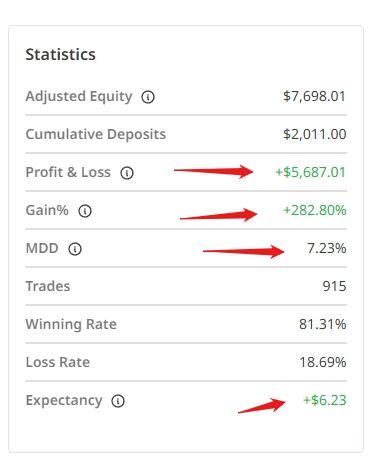
Kaede_Honjou: Another example of a signal provider whose performance metrics are transparently displayed.
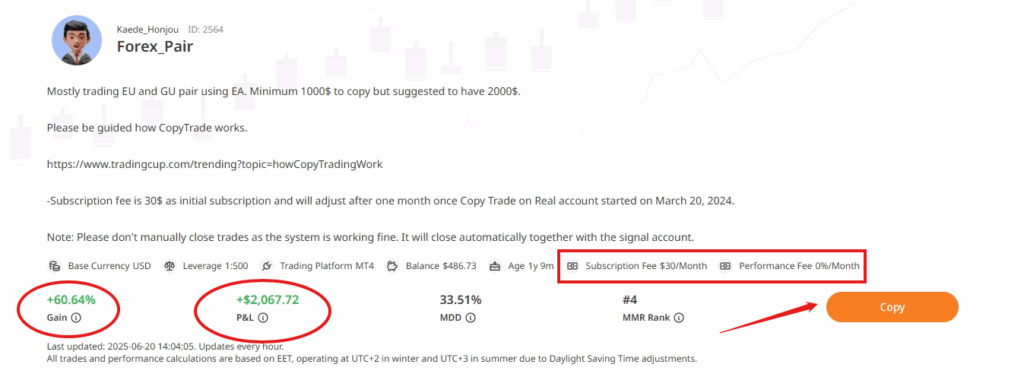
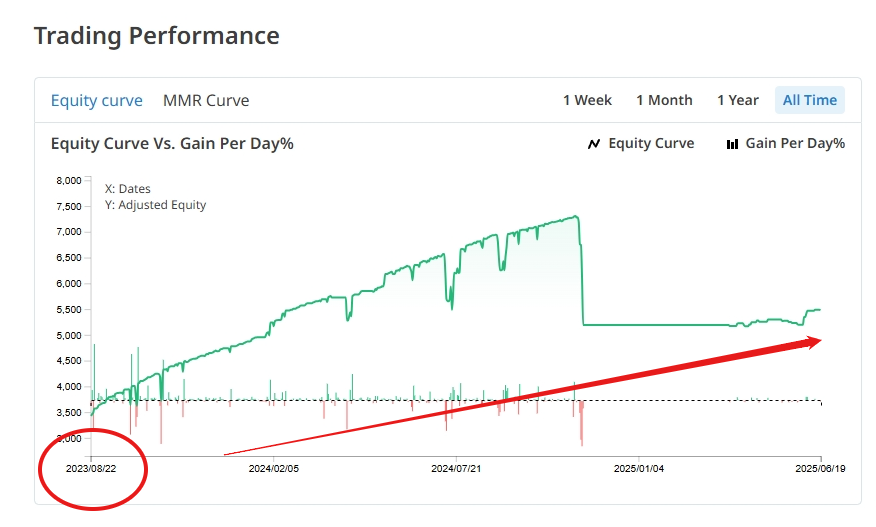
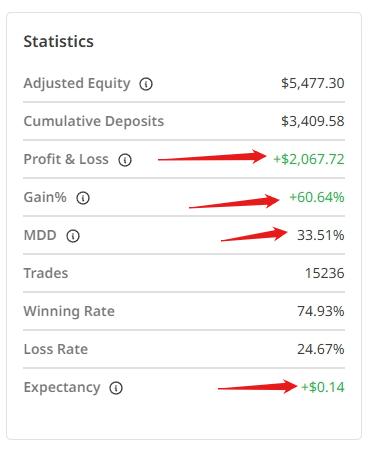
You can view their profit history, risk appetite, and trading style. If their strategy aligns with your goals, you can allocate a portion of your capital to copy them. When they execute a trade, the same trade is executed in your account proportionally. It’s a way to leverage expert knowledge without being an expert yourself.
How Would Ray Dalio Think About Copy Trading GBPJPY?
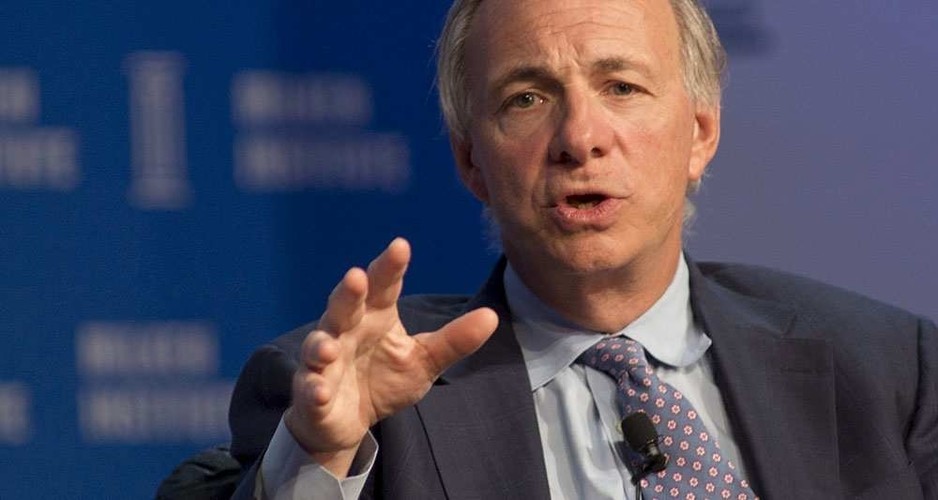
Ray Dalio, the founder of the world’s largest hedge fund, Bridgewater Associates, and author of “Principles,” built his success on a few core ideas that align surprisingly well with the logic of copy trading.
- “The Holy Grail of Investing”: Dalio’s “Holy Grail” is finding 15 or more uncorrelated assets to diversify your portfolio, drastically reducing risk without sacrificing returns. When you copy trade, you aren’t just betting on one person. You can build a portfolio by copying several different top traders who use different strategies (scalping, swing trading, etc.). This creates a diversified “portfolio of experts,” applying Dalio’s core principle to your own capital.
- Radical Truth and Transparency: Dalio champions a culture of “radical transparency” where data and track records are paramount. Copy trading platforms operate on this principle. Every trader’s performance, wins, losses, drawdown, is laid bare for you to inspect. You are making a data-driven decision based on a transparent, proven track record, not on a gut feeling.
- Systemize Your Decision-Making: Dalio believes in creating systems and algorithms to make better, less emotional decisions. Copy trading is the ultimate systemization for a beginner. It removes your own emotional biases, fear, and greed from the equation, leaving the execution to a proven, systematic trader. You’re essentially adopting a successful trader’s system as your own.
Dalio wouldn’t manually trade GBPJPY without a deep, systemic understanding. He would seek out the best, prove their success with data, and then build a diversified system around them. That’s exactly what copy trading allows you to do.
10 Key Lessons from “Forex for Ambitious Beginners” Applied to Your Journey

Jelle Peters’ book, “Forex for Ambitious Beginners,” offers timeless wisdom for new traders. Here’s how its core lessons perfectly frame the argument for starting with GBPJPY copy trading:
- Focus on Risk Management First: The book stresses that your primary job is to manage risk, not chase profits. Copy trading allows you to do this by selecting traders with low-risk scores and automatically applying their risk management to your funds.
- Don’t Reinvent the Wheel: Peters advises learning from those who are already successful. Copy trading is the literal application of this principle.
- Psychology is Half the Battle: The book highlights how emotions destroy accounts. Copy trading takes your emotions out of the driver’s seat.
- Have a Clear Trading Plan: Every successful trader you copy has a plan. By copying them, you are adopting their plan without having to create one from scratch.
- Understand the “Why” Behind a Trade: While you are copying, you can study why your chosen traders are taking certain positions, using it as a powerful, real-time learning tool.
- Patience is a Virtue: You don’t need to trade every day to be profitable. By copying a swing trader, for example, you learn the power of waiting for high-probability setups.
- Keep it Simple: Beginners often get lost in complex indicators. Successful traders often use simple, effective strategies. Copy trading gives you direct access to these refined systems.
- Know Your Currency Pair: The book emphasizes specializing. By focusing on copy trading GBPJPY, you can learn the specific behaviors and drivers of the “Beast” from experts who live and breathe it.
- Treat it Like a Business: This means tracking performance and making strategic decisions. Your “business” becomes managing your portfolio of copied traders.
- Never Stop Learning: Copy trading isn’t a “set and forget” magic bullet. It’s your first step, a way to participate and learn simultaneously from the market with a safety net.
Crunching the Numbers: A GBPJPY Profit & Loss Scenario
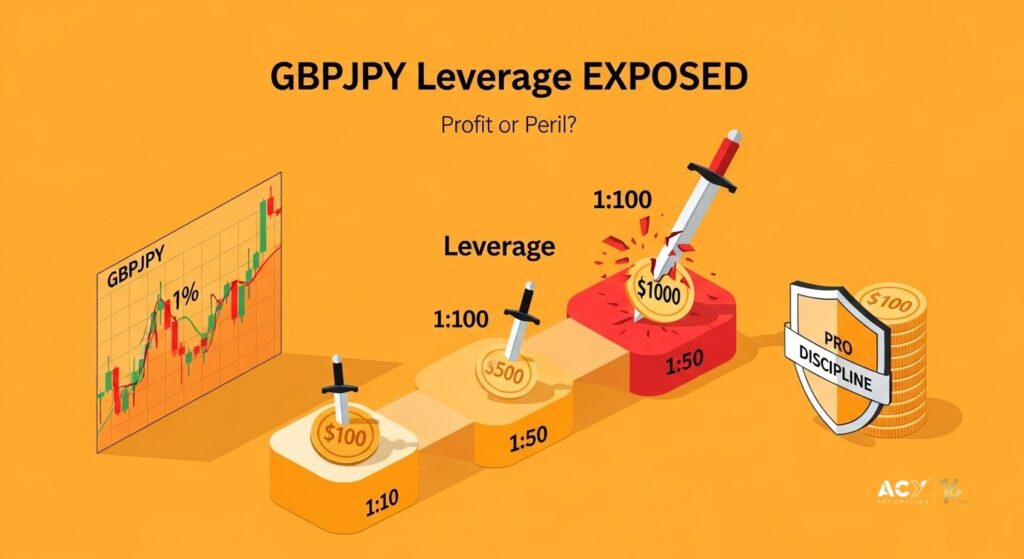
Leverage is a powerful tool in Forex that lets you control a large position with a small amount of capital. But as the analysis shows, it’s a double-edged sword. Let’s look at a hypothetical $1,000 investment in GBPJPY to see how leverage impacts outcomes.
Imagine the GBPJPY pair moves just 1%.
- With 1:10 Leverage: You control $10,000. A 1% gain is $100 profit. A 1% loss is -$100.
- With 1:50 Leverage: You control $50,000. A 1% gain is $500 profit. A 1% loss is -$500.
- With 1:100 Leverage: You control $100,000. A 1% gain is $1,000 profit. A 1% loss is -$1,000, wiping out your investment.
A professional trader knows how to manage this risk. When you copy them, you are also copying their disciplined approach to leverage, protecting you from the catastrophic losses that wipe out most beginners.
Copy Trading vs. The Robots: Are EAs a Better Choice?
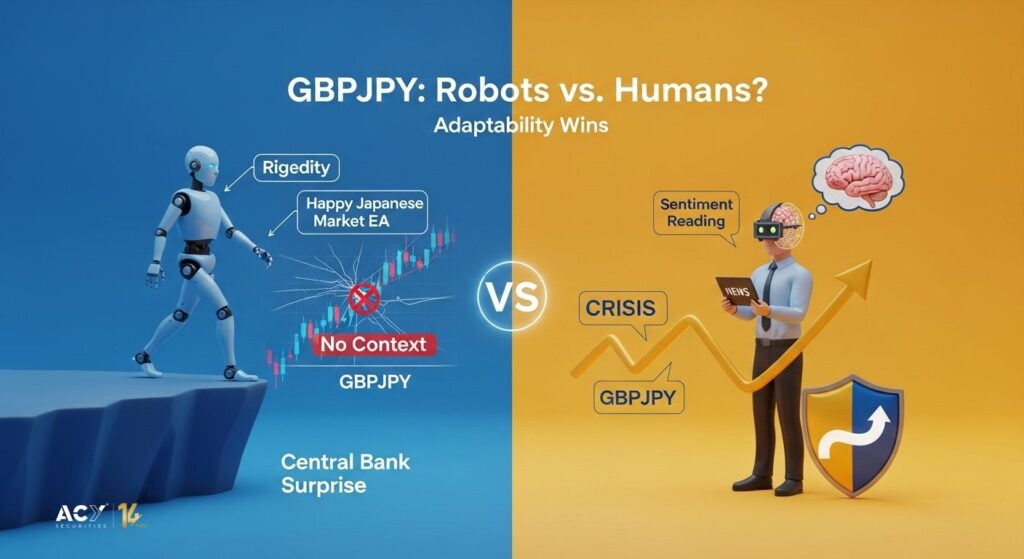
Expert Advisors (EAs) are automated trading robots that execute trades based on a pre-programmed algorithm. Some, like the Happy Japanese Market EA, boast stable returns with low risk. So, is an EA better than copying a human?
Not necessarily. The key drawback of an EA is its rigidity. An EA cannot adapt to sudden, unforeseen market events like a central bank surprise or a geopolitical crisis. It will continue following its programming, even if the market context has completely changed.
A human expert, on the other hand, brings nuanced judgment and adaptability. They can read the sentiment, understand the context behind a news release, and decide to pull back when a robot would charge forward. Expert Advisors vs. Copy Trading offers an in-depth comparison, but the verdict is clear: copying a top trader gives you the best of both worlds, the discipline of a system with the adaptability of human expertise.
The “Geppy” vs. Wall Street: Is GBPJPY a Better Bet Than Stocks?
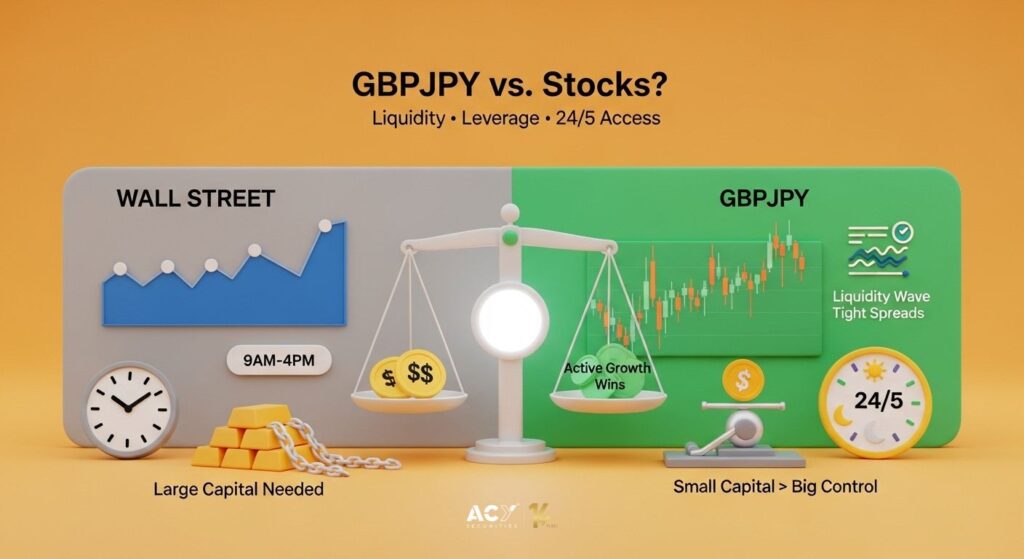
Stocks are a traditional investment, but how do they compare to trading the “Geppy”?
- Leverage & Capital Efficiency: To make a significant return in stocks, you often need a large amount of capital. With Forex and sensible leverage, you can achieve the same potential returns with a smaller initial investment.
- Liquidity: The GBPJPY is part of the massive Forex market, meaning it’s highly liquid. This translates to tighter spreads (lower transaction costs) and the ability to enter and exit trades instantly.
- 24-Hour Market: The stock market has limited trading hours. Forex trades around the clock, offering more flexibility and opportunity.
While stocks offer growth and dividends, they often require a longer time horizon. For those seeking to actively grow a smaller capital base, copy trading offers a compelling alternative to traditional investing by providing access to short-term opportunities in a highly liquid market.
The “Beast” vs. Bitcoin: Is GBPJPY a Safer Harbor?
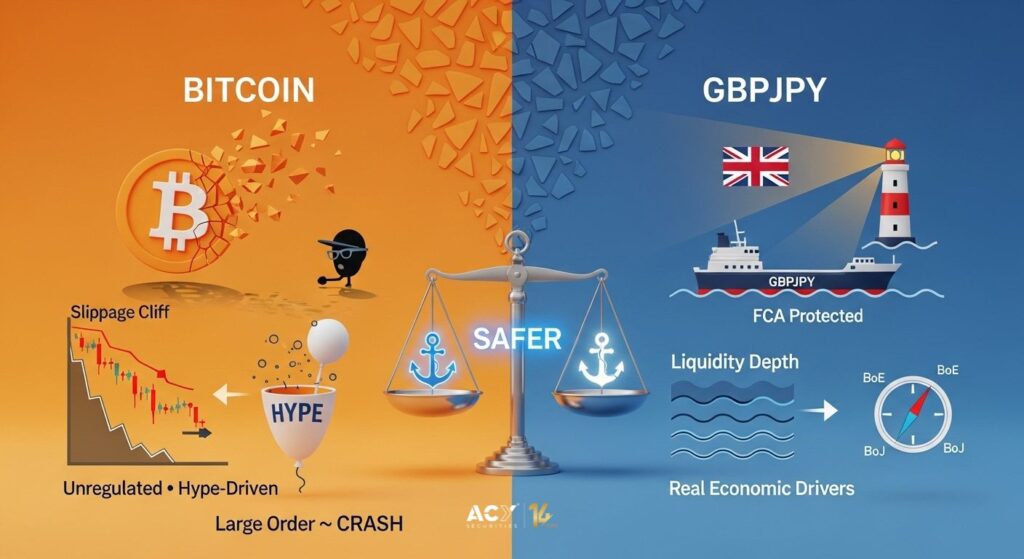
Bitcoin and crypto are famous for their volatility, but that comes with unique risks.
- Regulation: The Forex market is heavily regulated by bodies like the FCA in the UK, offering robust investor protection. The cryptocurrency market remains largely unregulated, exposing traders to risks like exchange hacks and market manipulation.
- Liquidity & Stability: Bitcoin’s liquidity is fragmented across many exchanges, meaning a large order can cause a massive price swing (slippage). GBPJPY’s institutional-grade liquidity provides a more stable and predictable trading environment.
- Fundamental Drivers: Bitcoin’s price is often driven by hype and speculation. GBPJPY’s movements, while volatile, are tied to understandable economic and political factors.
For a beginner, the regulatory protection and structural stability of Forex make Forex copy trading a generally safer starting point than crypto copy trading.
Bonus Tip: Tapping into Free Forex Signals
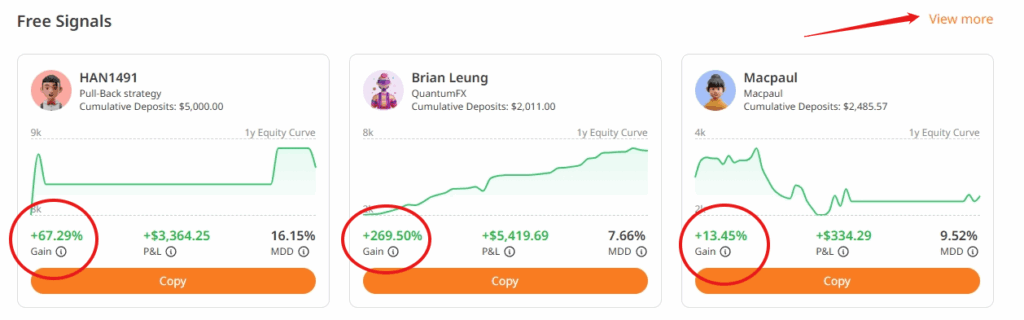
As you grow in confidence, you may want to explore more options. Some platforms offer Free Forex Signals you can copy, providing another avenue to diversify and find trading opportunities.
Conclusion: The Principle of Smart Risk and Your First Step
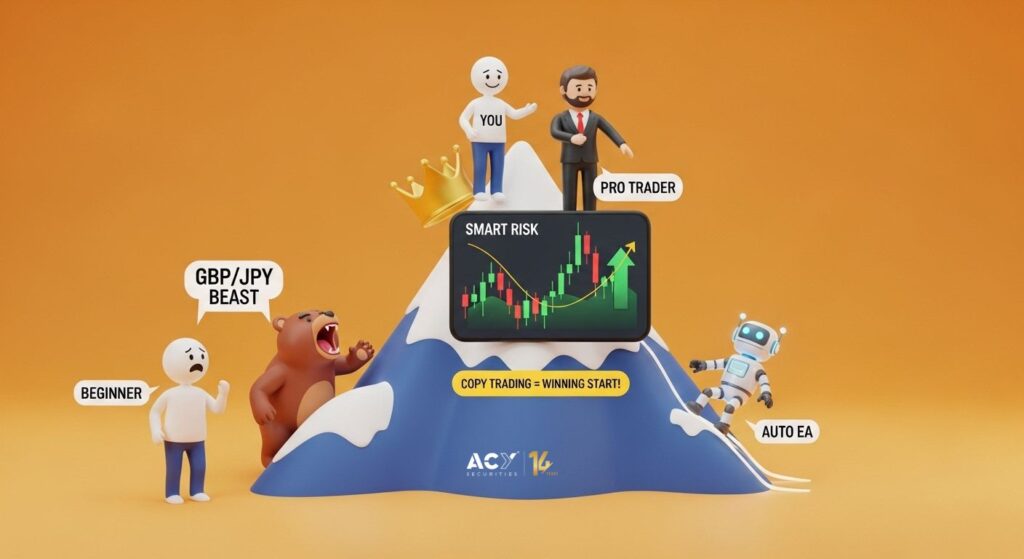
Every investment carries risk. The goal isn’t to avoid risk entirely, it’s to manage it intelligently.
Trying to day trade the GBPJPY manually as a beginner is like trying to tame the “Beast” with your bare hands. Relying solely on an automated EA is like sending a robot to do a job that requires human intuition.
The smarter strategy is to stand on the shoulders of giants. Copy trading top GBPJPY traders is arguably the most intelligent way for a beginner to start their Forex journey. It minimizes the steep learning curve, removes emotional decision-making, and provides a framework of disciplined risk management from day one. You get to participate in the market’s potential while learning from the best.
Frequently Asked Questions (FAQs)
1. How volatile is the GBPJPY pair?
The GBPJPY is known for its significant volatility, often called the “Beast”. It can have large daily price swings, with historical data showing movements like a 104.8 pip increase on one day and an 118.4 pip decrease on another, making it suitable for strategies that capitalize on rapid movements like scalping and swing trading.
2. What are the best strategies for trading GBPJPY?
Due to its high volatility, popular strategies include scalping (for small, quick profits), swing trading (to catch longer trends driven by macroeconomic factors), and breakout trading. Manual traders often use technical indicators like stochastic oscillators and Fibonacci retracements to guide their entry and exit points.
3. Is copy trading GBPJPY better than using an Expert Advisor (EA)?
While EAs like the Happy Japanese Market EA offer automated, emotion-free trading based on algorithms, they can be rigid and may not adapt to unforeseen market events. Copy trading a human expert offers a blend of systematic trading with the nuanced judgment and adaptability that a person can provide in volatile or unexpected market conditions.
4. Is trading GBPJPY more profitable than investing in stocks or Bitcoin?
Profitability depends on strategy and risk management. GBPJPY offers higher leverage potential than stocks, meaning potentially larger gains (and losses) from a smaller capital base. Compared to Bitcoin, GBPJPY operates in a more regulated and liquid market, which can offer lower transaction costs and greater stability, making it a potentially safer, though perhaps less explosive, option.
5. What main factors influence the GBPJPY price?
The primary drivers are the interest rate policies of the Bank of England and the Bank of Japan , key economic indicators from both countries (like GDP and inflation reports) , and global geopolitical events that can shift investor sentiment towards or away from “safe-haven” currencies like the Yen.
6. What are the psychological challenges of trading GBPJPY?
The pair’s high volatility can cause significant psychological stress from abrupt price reversals and unexpected market movements. This can lead to emotional decision-making. Strategies to mitigate this include using predefined stop-loss orders, disciplined risk management, and leveraging copy trading platforms to reduce the emotional burden of making trading decisions yourself. Sources
(Disclaimer: This article is for informational and educational purposes only. It should not be considered financial advice. Always conduct your own research and consult with a qualified financial advisor before making any investment decisions.)
For more detailed insights on developing daily trading routines, risk management, and effective position sizing strategies, explore additional articles on Trading Cup. Our trading experts at ACY and FinLogix are also great resources to guide your journey towards trading excellence.

Discover Our Best Trading Signals
At Tradingcup, you can browse through a selection of signals and review past performance before you decide to copy.
Become A Signal Provider
Share your expertise and become a signal provider so other traders can copy your trades.
Stay tuned to our blog for more trader spotlights and leaderboard updates.
Trading involves risks.
Visit the Tradingcup blog through the link below for more updates: https://www.tradingcup.com/learn
Related Copy Trading blogs:
- Understanding Market Liquidations: Liquidity Sweeps and Runs Explained
- 7 Essential Daily Habits of Successful Traders to Outperform Their Peers
- 10 Strategies You Can Copy off Our Best Copy Traders
- 5 Strategies Every Trader Can Master To Trade Better In A Trading Contest
- 2025 Copy Trading Scams Exposed: How to Spot Fraud
- A Swing Trading Strategy with an 83 Percent Win Rate and Low Drawdowns
- Forex Martingale Strategies Explained, The Good, The Bad and The Ugly
- Pyramiding Trading Tutorial – Pros & Cons & How to Use It